
Finally taking the Substack plunge on May the 4th!
Using Substack as a space for some of the many many thoughts I have about random things

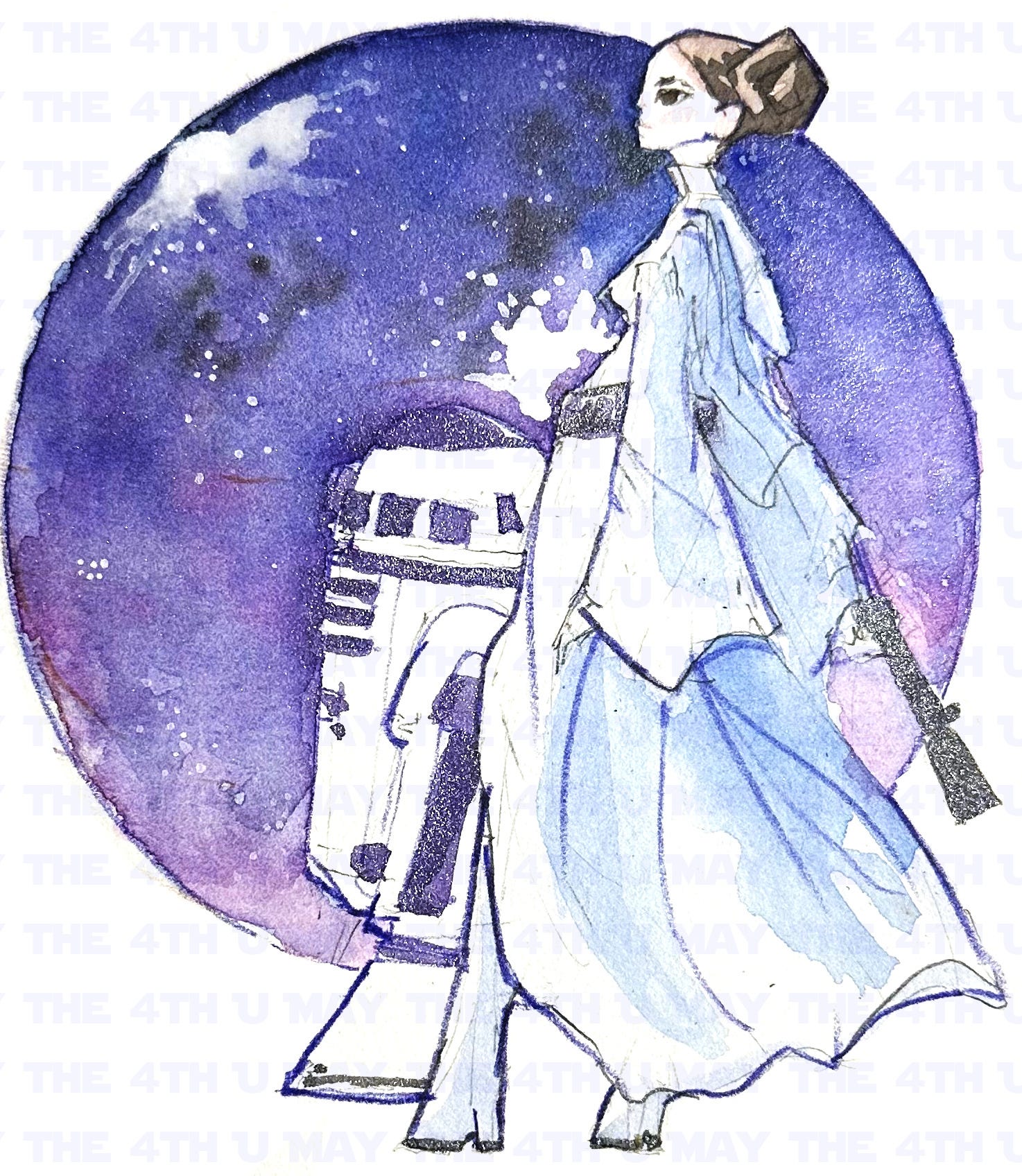
First of all Happy May the 4th!
It’s 2025, what can I say… well, a lot actually… but I’ll hold off, just because words have weight and they tend to come back and revisit us when we less expect them to. So what will I even talk about here? Folklore, art, architecture, Puerto Rico, pop culture; light things, if we can call them light, or maybe not so light, but light enough.
I had been meaning to start blogging here at the beginning of the year, feeling the lightness and joy of having completed the huge milestone in my life of finally completing a PhD in folklore after a decade of many things happening. Everything changed that month, and if you know you know. It is May the 4th today, and although the world around me is still shaky, I wanted to get back to it.
Ok, but who am I even?
I’m a scholar, a woman, a wife, a pet mom, a boricua, an introvert, a geek, a nerd, an artist, folklorist, preservationist, designer.. or at least someone who needs to create consistently, a sister, a friend, a human. Or maybe I’m someone who has made complicated or questionable life choices by going back to school over and over in the pursuit of knowledge, giving up on more conventional expectations. Or maybe just a Puerto Rican millennial that was caught up in a succession of economic collapses and has traveled back and forth between Puerto Rico and the United States to eke out a living, loving to learn and to teach, and always to tired.
What do I want to write about?
Star Wars! Specifically Andor, it is May the fourth in the year of 2025 [spoilers ahead and a trigger warning for sexual assault]. The series is halfway through at this moment, and I had an “aha” moment while talking to my hubby over dinner yesterday evening. First of all, there are so many things that I could talk about Star Wars as a folklorist, from the source inspirations to the impact on folk culture on many different levels throughout the world.
Star Wars!
I am absolutely obsessed with the series Andor and don’t know what I will do with my life in two short weeks when it is completed for good. Many (I am not quantifying this at this point) are saying that it is the best Star Wars show ever, and others are counteracting that it is not even Star Wars due to its tonal difference from previous materials, lack of Force users, lack of alien speaking parts, and extremely adult themes (sexual assault in particular).
I kind of agree with both statements. At this point it is possibly my favorite series, both in Star Wars and out of it. I want to counter counter argue from the perspective of a folklorist. George Lucas set the original movie “A long time ago in a galaxy far far away”, immediately evoking the oft used phrase “once upon a time” used in folk tales globally, setting the stories beyond our place and time. This has already been covered by others. George Lucas created a simple story based on the “hero’s journey as theorized by Joseph Campbell, famed mythologist, in works such as The Hero With a Thousand Faces. In a nutshell, Lucas took every trope in story telling in a mythological place beyond our own space and time to create a heroic story with heroes, villains, loss, and triumph.
Other folklorists have a lot to say about Joseph Campbell’s work, and most of it is more nuanced or completely negative. Please read Jeana Jorgensen’s blog post “Why Folklorists Hate Joseph Campbell’s Work” for a better understanding of where some of these feelings arise from. Regardless of what folklorists feel about Campbell’s legacy, Lucas was careful in constructing a story that he felt would resonate with a global population. Like folk tales and myths that have persevered over the ages, space operas reflected historical and current events on the ground. Lucas himself stated that the Galactic Civil War between the Empire and the Rebel Alliance was based on the asymmetric conflict between the United States and the Viet Cong. The Empire’s aesthetic design, which to this day has been a major cosplay inspiration was inspired by the fascist military uniforms of the early twentieth century. World War II aerial dogfights and civilization-ending weapons of mass destruction formed the core warfare. Timeless lessons and storytelling devices were juxtaposed with twentieth century events.
Lucas returned to the film portion of the franchise in the late 1990s and early 2000s, using the galaxy far far away to continue exploring how empires are formed. Episode I feels the most distant and disjointed from the rest, but it set the stage, showcasing the beauty and decadence of the Late Republic, the economic bureaucracy that eventually threw everything into turmoil, and just how long Sheev Palpatine’s game to power was. There is a time jump to Episodes II and III which take place during the Clone Wars. Many of the political scenes ended up on the cutting room floor, but even the scenes left in the movies referenced the post 9/11 current events in the United States. The close mirroring of current events were not lost on journalists during the time. CBS noted the following lines in the article “'Sith' Invites Bush Comparisons” "This is how liberty dies. With thunderous applause," spoken by Padme Amidala when Senator Palpatine becomes the newly minted Emperor and "If you're not with me, then you're my enemy," spoken by Anakin Skywalker to Obi-Wan Kenobi before they dueled on Mustafar. The second line echoed former President George W Bush’s post 9/11 quote "Either you are with us, or you are with the terrorists." Coincidentally this movie is currently celebrating its twentieth anniversary.
Rogue One
After Disney purchase the Star Wars property from George Lucas they immediately got to work producing a slew of new movies, shows, books, comics, and merchandise. A lot has been said on the merits of most of the work done by Disney with the property. I want to focus on Rogue One: A Star Wars Story (2016) and specifically Andor (2022-2025). Rogue One was the first feature length film about Star Wars from Disney not directly related to the Skywalker saga. The story focused on the rebels who stole the plans for the Death Star. The film moved away from the rolling and fading cut scenes, the opening crawl, and John William’s score. The Force was the basis for religious beliefs that required faith, the characters needed to believe in the cause and learn to trust each other. This was a movie in which the Rebel Alliance played dirty, assassinating even those who assisted them.
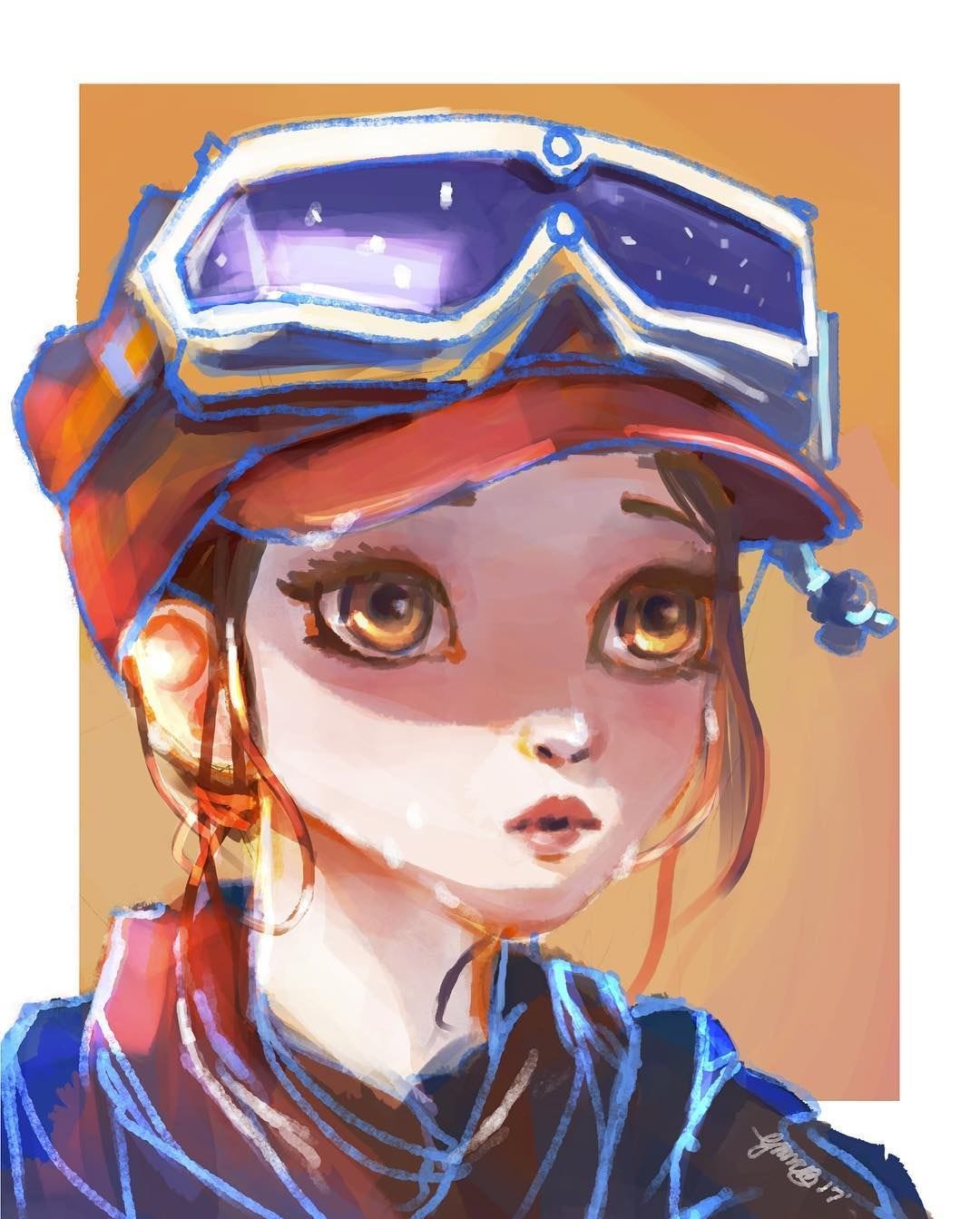
Titular characters such as Darth Vader and Princess Leia served to tie the story to a New Hope. In the storytelling process Rogue One gave New Hope additional weight. The original story that happened once upon a time had already spawned an incredibly expansive universe with deep history and alternate sets of lore. Rogue One grounded A New Hope in an organic lore friendly manner, emphasizing on the ground fighting and tying back to the creation of the Death Star as a metaphor for nuclear weapons. Galen Erso, the main scientist of the “energy project” that was secretly a genocidal weapon, was based on the very real J. Rober Oppenheimer. None of the likable main characters, Jyn Erso, Cassian Andor, K2SO, Chirrut Imwe, Bodhi Rook, or Baze Malbus make it out alive. Their legacy and adventure were the heroic act, their ending necessary for the main story to happen.
Andor
When Andor was announced years later, I might have been one of the few people that was super excited for what it might bring. I had always been fascinated by how people survived during the time of the Empire. The animated show Rebels, which was wrapping up when Rogue One premiered, provided a teen-friendly weekly adventure peek into this bleak world. I was excited to see this same world from Cassian Andor’s point of view. It helped that I was already a fan of Diego Luna’s Spanish language work and had been reading an unhealthy amount of historical documentation about survival in Right-wing dictatorships in twentieth century Latin America. I was not prepared for just how intensely the new show would resonate with my interests when the first season finally premiered.
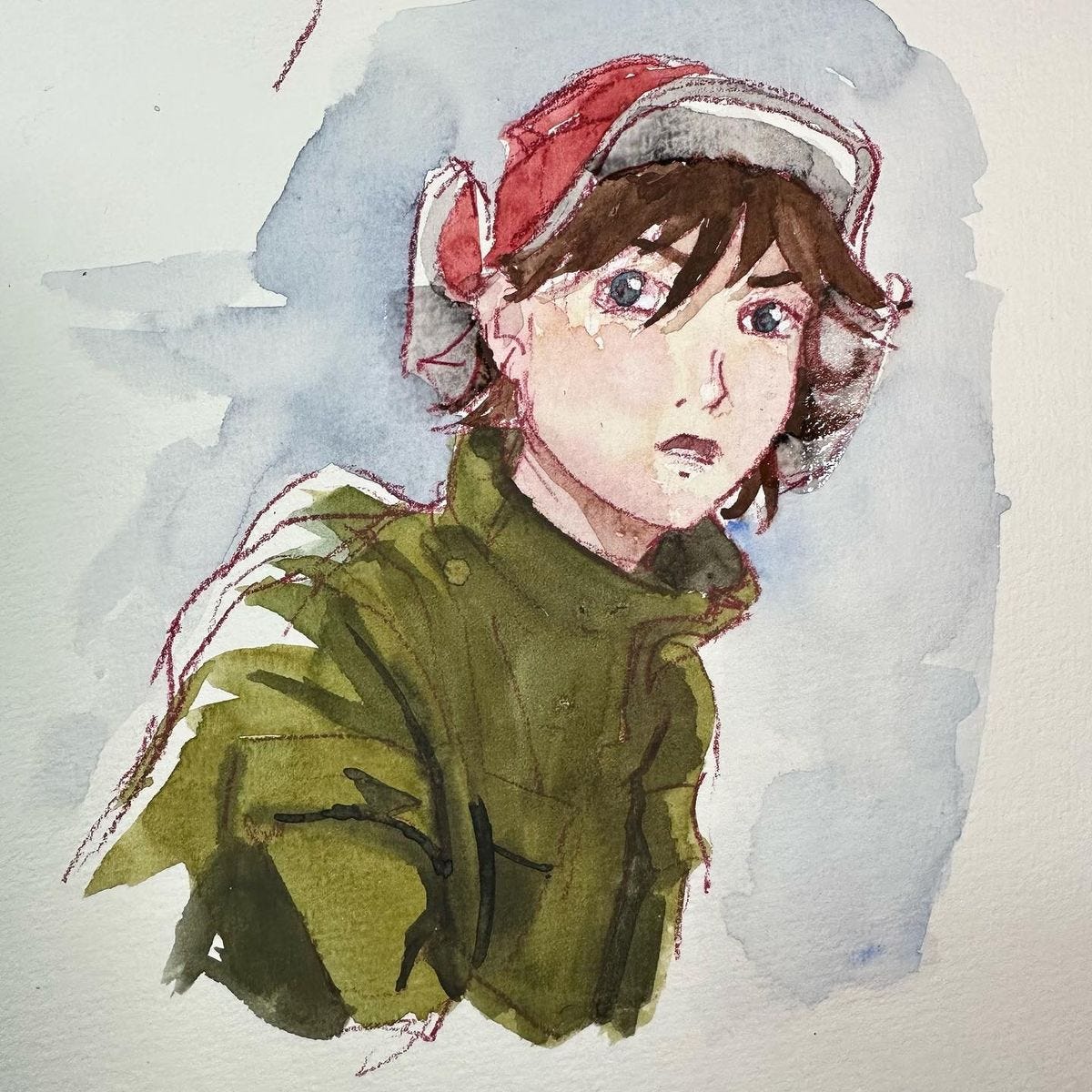
Andor is so grounded that it has been accused of not being Star Wars. The two-season series follows Cassian Andor, his handler Luthen Rael, the future leader of the Rebel Alliance Mon Mothma, incel placeholder Syril Karn, and the Imperial Security Bureau’s Dedra Meero. Each of these lead characters is accompanied by an ensemble cast of characters, some more present, others less so. Each of is very much a person with individual motives, a lived life, opinions, and weight to them. They are a representation of the lives lived within this comprehensively oppressive system. The cartoonishly evil Empire that blows up planets and can’t shoot to save themselves are now a well-oiled machine. Sheev Palpatine is nowhere to be seen, but rather his presence is felt in every new bureaucratic policy, cruelty towards the unique traditions of each world, and the oppressive over policing of everyday life. The first season provided a slow tense pace in which blasters felt heavy and a flying tie fighter could inspire terror for miles with the screech of its sonic boom. The previously unexplored planets of Kenari, Ferrix, Aldhani, Morlana One, Narkina 5, and of course Niamos are lived in spaces with distinct cultures. In a call back to the smooth slide of the Galactic Republic into an Empire, the planet of Kenari was already ecologically devastated before the end of the Republic.
The second season has taken a different approach, providing three-episode batches per year in the four years leading up to the Battle of Yavin aka Rogue One and A New Hope. The story focuses on the canonical event of the Gohrman Massacre and how that leads to the cohesion of disparate rebel cells into the Rebel Alliance. Some of the quieter moments are the tensest as Imperial officers check for papers and the main characters slowly fall apart from PTSD and the tension of years of subterfuge. The director Tony Gilroy has already stated that he was inspired by historical revolutions and their messiness stating "I've spent an incredible amount of time reading about revolutions and studying history, you know, in an idiot kind of way, a dinner table going away, but really fascinated with it."
I can write on and on and maybe will later. For now, I want to focus on two specific examples of the horrors of the Empire in the first three episodes of the second season. The first presents horrors at the highest most abstract level and the second at the most intimate ground level. The ISB, based on a combination of security and counterintelligence agencies in history, directly calls back the most horrifying of office meetings ever had in real life in the first episode of the new season. The Empire desires to extract a mineral for their “Energy Program” in such a way that might render a populated planet uninhabitable. The plot, location, language used during these scenes take direct inspiration from the all too well documented Wannsee Conference of 1942 in which senior members of the Nazi party coordinated the Final Solution for Europe’s Jewish population. The fictionalized version is an almost beat by beat recreation of the historic chilling event, homing in the stakes within the Star Wars universe. Director Orson Krennic, the main villain from Rogue One and officer in charge of the construction of the Death Star brings together a representation of high-ranking Imperial Officers to a secretive base the Maltheen Divide to strategize how to deal the Gohrman problem. Genocide is a heavy topic. Shoa is an impossibly painful topic, especially during the 80th anniversary of the liberation of the concentration camps of World War II. It is also a painfully close topic as the world is witness to multiple ongoing ethnic cleansings in the present.
The second story line follows Bix Caleen, Wilmon Paak, and Brasso, Cassian’s close friends and refugees from Ferrix as they hide on a planet called Mina-Rau. Their story follows the same types of issues that characters in shows such as Rebels and Bad Batch, in which the characters need to lay low, find credits (currency), and some form of paperwork to evade the Empire. Unlike the other shows, these characters simply trying to lay low and lived their lives, working as traveling mechanics with the local farms. They don’t have any paperwork on them and are counting on a lack of imperial presence. Their luck runs out when the Empire decides to do the first audit in over ten years. The tension of simply knowing that there is an imperial presence traveling to each farm is palpable. The tension when one particularly skeezy officer corners Bix during the second episode is almost unbearable. It triggered every warning I’ve ever felt when walking on a dark street or cornered in an office with an older coworker who insists on making inappropriate comments. The end of this story arc has Bix killing said officer after he violently assaults her, the group fleeing the planet, and one stormtrooper carefully aiming and killing Brasso off screen as he flees. It is a devastating ending with the emotional resonance of losing a character that had been a stand up and normal guy in every episode he had appeared. Bix was already dealing with trauma and had to deal with a mediocre man’s abuse of power.
Both storylines and many others have resonated with the audience in an immediate and visceral manner. There has been discourse about the sexual assault not belonging in Star Wars, although this is a universe that has shown itself over and over to be a dangerous and sexually violent place for women. The original trilogy had Leia Organa be humiliated in the now famous bikini scenes, as a slave to a giant space slug. The Twi’lek have had to deal with it in canon for ages. There are sex workers even in the kids show Skeleton Crew, one of which warns the children to leave the very dangerous pirate den they are hiding in.
I speculate that part of the discomfort with the entire storyline on Mina-Rau is the use of the terms “illegal” and “rape”, two terms that are hot button issues in the United States right now. The showcasing of the Empire’s evil through the dichotomy of large-scale atrocities and the intimate close crimes of individual officers gives the series an immediacy that is almost as anxiety-producing as watching the news. This is the moment I which I tie back to Lucas’s original concept of telling a story beyond time and place. These stories are always about the here and now. They have a kinship to folk tales in the didactic ability to reflect upon what is good and bad, how we should take steps to live our best lives without pointing at specific examples on the here and now. I am eagerly awaiting the final two weeks of this show in order to continue contemplating the messages for our current lives as told a long time ago in a galaxy far far away.
Art by Gloria M Colom Braña